OCT04
The Manaslu Loop
From $1,890Max 8 trekkers
Book a placeEvery trek is led by guides from Samagaun, Lho, and Samdo — villages tucked beneath the world's eighth-highest peak. We don't sell mountains. We carry you home through ours.
I'm Ogyen — born in Lho, a stone village at 3,180 meters where the wind carries prayer flags more often than tourists. My first job was carrying tea up to teahouses as a boy. My first summit of Larkya La was at fourteen.
I started Mansiri Treks as a promise to my neighbors: that visitors who came to walk this valley would leave money in the homes of the people who lived there — not in the offices of agencies five hundred kilometers away in Kathmandu.
Today, every guide we hire was born on this trail. Every teahouse we partner with is family-run. Every rupee you spend stays within the Nubri.
— Ogyen Founder & Lead GuideFrom the classic loop to an empty winter valley to a private itinerary built around your pace — here is how trekkers come home through the Manaslu.
The circuit stripped to its spine — Jagat to Dharapani over Larkya La, with one acclimatization day at Samagaun. For trekkers who are short on days, not on fitness.
The heart of the circuit — Machha Khola to Dharapani over Larkya La, with the Serang Gompa side valley. Ideal for trekkers with mountain experience.
The full circuit plus five days into the sacred Tsum Valley — a Tibetan-Buddhist enclave closed to outsiders until 2008.
The hidden valley on its own — eleven days into a Tibetan-Buddhist enclave that stayed closed to outsiders until 2008. No Larkya La, no altitude push. You come for the culture, not the pass.
The Nubri with nobody in it. We shape the route with you, then walk a valley that has emptied of trekkers completely. Because these are our own villages, winter doors open that stay shut to everyone else — lodges, kitchens, and long evenings with families living the hardest months of the year. Larkya La if the snow allows; Serang Gompa or Kal Tal above Prok if it does not.
Built around your pace, dates, and interests — photography expeditions, slow-acclimatization treks, or family-paced routes.
Every guide on our roster was born on this circuit. They speak Nubri, Tibetan, Nepali, and English — and they know which teahouse has the best dal bhat.
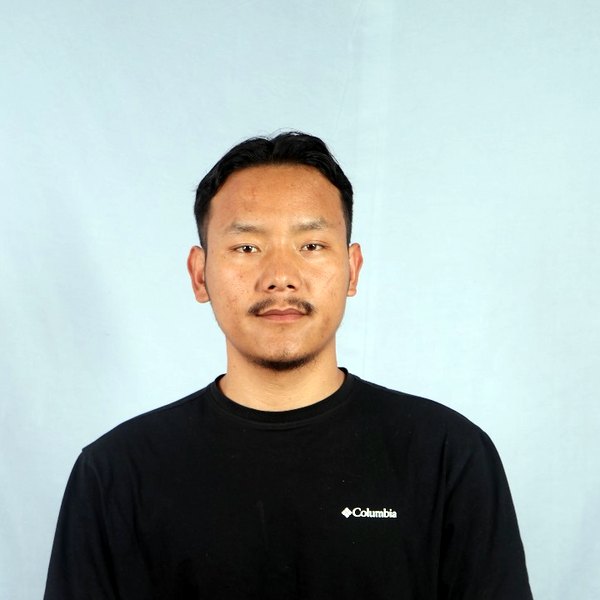
Born in Lho. Knows every ridge of the Manaslu Circuit. Fluent in Nubri, Tibetan, Nepali, and English.
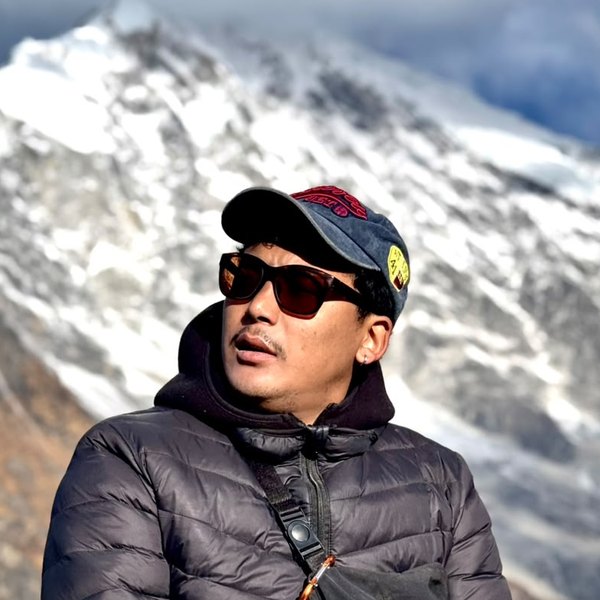
Born in Lho. Our high-altitude expert — he leads the long days over Larkya La.
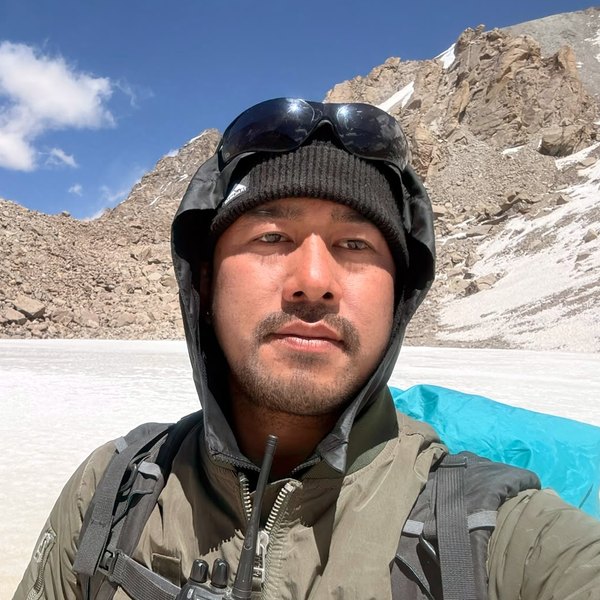
Born on the Manaslu Circuit. Speaks fluent English and Korean. Deeply versed in Tibetan culture and Buddhism.
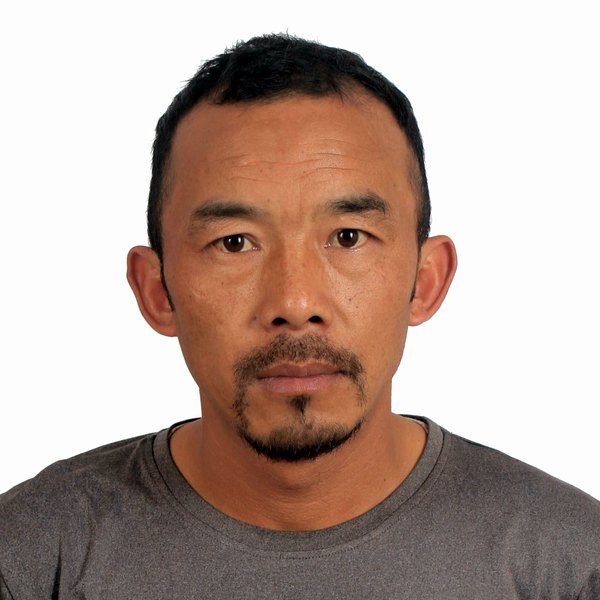
Has crossed Larkya La more than 12 times. Knows every part of the trail — and the owners of the teahouses along it.
All our assistant guides are graduates of the community school in Lho.
Scroll or drag to roll →
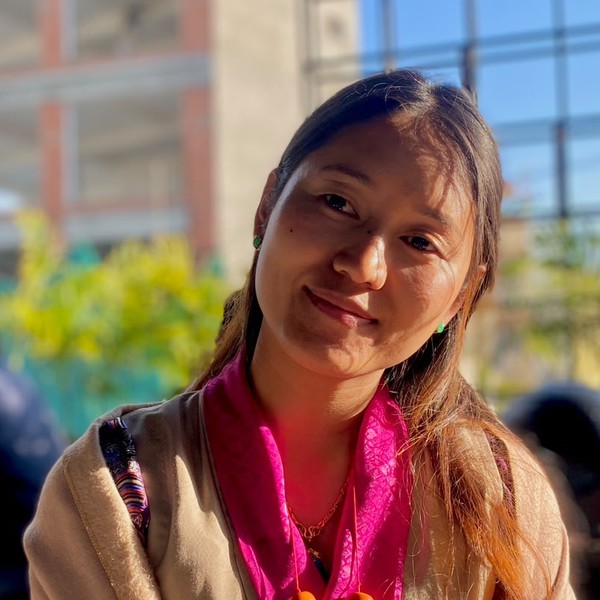
Looks after the front desk and day-to-day trip logistics.
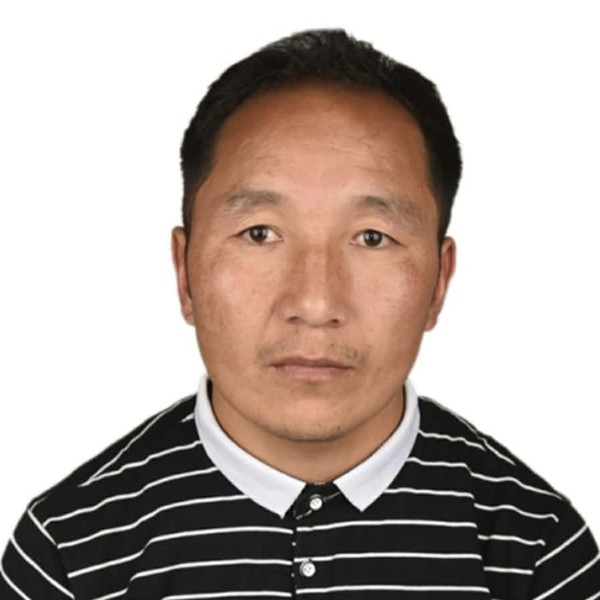
Owner of the Blue Sky Hotel, based in Lho (3,180 m). Runs high-altitude logistics and emergency support on the trail.

From the Nubri Valley. Runs our social media and shares what’s happening on the trail.
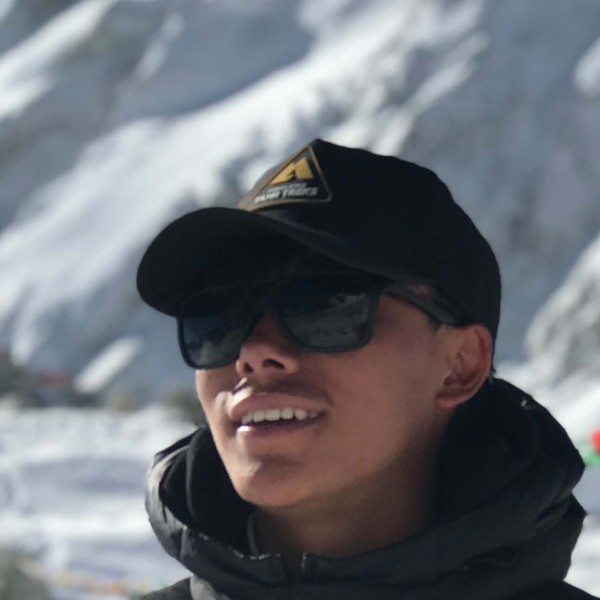
Born in Bihi village (2,130 m).
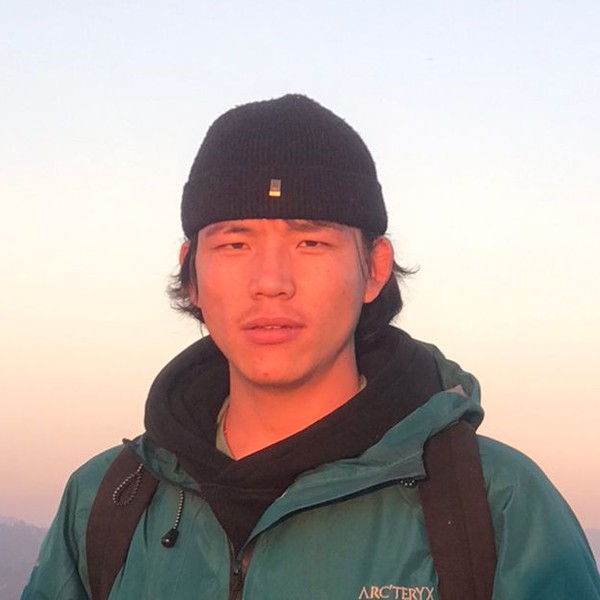
Assistant guide on the Manaslu Circuit.
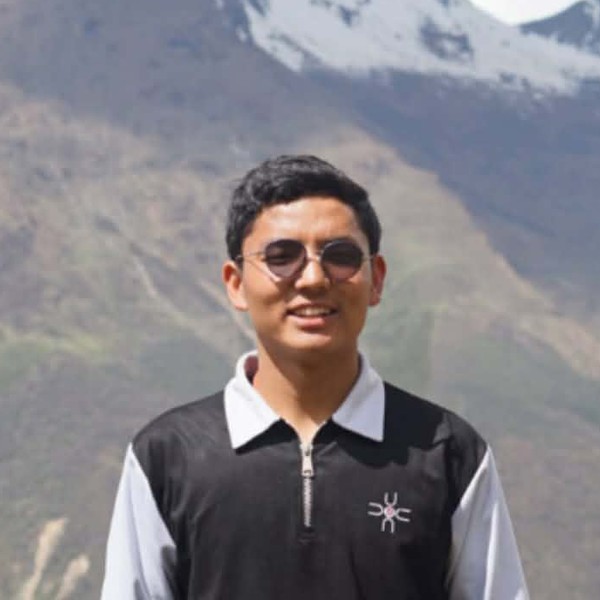
Born in Tsak village.
Every guide was raised in a Manaslu Circuit village. We know which ridge holds light at sunrise and which teahouse has the warmest stove.
Your money pays guides, porters, teahouses, and yak-cheese makers in the Nubri Valley — not foreign middlemen.
Eight trekkers maximum per departure. The trail stays personal, the teahouses stay calm, and you actually meet your guide.
Mandatory acclimatization days at Samagaun and Samdo. WFR-certified guides. Pulse oximeters carried daily.
The Manaslu region is restricted — we manage MCAP, ACAP, and Restricted Area Permits before you land.
Pack-it-out policy on every trek. Reusable water filtration. No single-use plastic provided by us — ever.
Ogyen walked us to a tea-stove in his cousin's house at 3,500 meters. That night ranks higher than the pass itself. This is what local-led actually means.
I've trekked Annapurna and Everest. Manaslu with Mansiri was different — quieter, harder, more honest. Worth every step over Larkya La.
As a solo woman, I felt safer with Nima than I have on any trek in Asia. The team's care and pace let my body adjust without panic.
Larkya La Pass stays open most of the year, but conditions, light, and crowds change drastically. Here's what to expect.
Field notes, packing lists, and stories from the people who guide our circuits.
Field notes, packing lists, and stories from the people who guide our circuits.
Permits, altitude, and what the trail actually asks of you — answered for the Manaslu Circuit and Tsum Valley.
Yes — Manaslu is a restricted area. You need a Manaslu Restricted Area Permit, which costs USD 100 per person for the first seven days from September to November, then USD 15 per day after that. From December to August it is USD 75, then USD 10 per day.
On top of that you need the Manaslu Conservation Area Permit (NPR 3,000) and, because the circuit exits through Dharapani, the Annapurna Conservation Area Permit (NPR 3,000). Adding Tsum Valley means a second restricted-area permit: USD 40 per week in autumn, USD 30 the rest of the year, plus USD 7 for each day beyond a week.
The Restricted Area Permit is included in the price of our Manaslu Loop.
No. The TIMS card covers open trekking areas that have no permit system of their own. Manaslu is tracked through the Restricted Area Permit, so a TIMS card is not required on this route.
Partly, and this changed recently. Until March 2026 you needed a second trekker named on your permit. On 22 March 2026 Nepal's Department of Immigration removed that two-person minimum across all restricted areas, so a solo trekker can now hold their own permit.
What has not changed: a licensed guide from a registered agency is still compulsory. Walking the restricted zone unguided remains illegal, whatever you may read on older forums.
Autumn — late September through November — is the clearest and most settled window, and it is when we run our scheduled departures. Spring, March to May, is the second season: warmer, greener, rhododendron in flower lower down, but hazier views.
Larkya La holds snow into early spring and again from mid-December. Winter crossings are possible but they are a different trip.
It is a demanding teahouse trek, not a technical climb — no ropes, no crampons, no climbing experience needed. The difficulty is length and altitude. Most days are five to seven hours of walking, and the crossing of Larkya La at 5,160 m is a long day that starts before dawn.
If you can walk uphill for six hours with a daypack, several days in a row, you are ready for it.
Larkya La at 5,160 m is the high point. The highest you sleep is Dharmasala, around 4,460 m, the night before the pass.
You gain height slowly — Lho at 3,180 m, Samagaun at 3,530 m, Samdo at 3,875 m — with a rest day built in at Samagaun. That rest day is not padding. It is the reason people get over the pass.
A mild headache and broken sleep above 3,500 m are common and usually pass. Genuine altitude sickness does not, and the only reliable treatment is to lose height.
Tell your guide early — no pass is worth pushing through it, and going down is always the right call. Dorje Lama runs our high-altitude logistics and emergency support from Lho if an evacuation is needed.
Teahouses the whole way, all family-run, most belonging to people our guides grew up alongside. Rooms are simple: twin beds, shared bathroom, no heating in most of them. Bring a warm sleeping bag.
Food is dal bhat, noodles, soup, potatoes, eggs. Dal bhat comes with refills, which is why almost everyone ends up ordering it.
The 16-day Manaslu Loop is the classic circuit — Machha Khola to Dharapani over Larkya La, with two nights in the Serang valley. The 20-day Hidden Valley adds five days into Tsum Valley, a Tibetan-Buddhist side valley that was closed to outsiders until 2008, and takes you up to Mu Gompa.
If you have the time, Tsum is the part people talk about afterwards.
Yes, and read the wording carefully. It needs to cover trekking to 5,500 m and, most importantly, helicopter evacuation. Plenty of standard policies stop at 3,000 or 4,000 m — below the altitude you will be sleeping at.
Bring the policy number and the emergency phone number with you on the trail, not just on your laptop at home.
Assume not. Some teahouses sell wifi by the hour and mobile signal appears in patches near the larger villages, but none of it is dependable and none of it is your plan.
There are no ATMs on the trail. Draw your cash in Kathmandu, bring more than you expect to need, and bring it in small notes.
Eight trekkers maximum on any scheduled departure. Custom trips run at whatever size you bring.
Not straight from a tap or stream. Carry a filter or purification tablets and refill as you go. Bottled water gets expensive the higher you climb, and the empty plastic has nowhere to go once it is in the valley.
Permit fees are set by Nepal’s Department of Immigration and change from time to time. We confirm the current figure with you before you book.
Still deciding? Ask us directly — a guide answers, not a call centre.
Ask on WhatsAppTell us your dates, your dream pace, and how high you want to climb. We'll write back from Lho within 24 hours.
Operating under TAAN guidelines, licensed by the Nepal Tourism Board, and registered with the Chumnubri Rural Municipality — the local authority across the seven wards of the Tsum & Nubri valleys.
Namaste 👋
Questions about Manaslu or Tsum Valley? Message us — a guide replies, not a bot.